Reshaping K–12 Device Deployment in 2026 – Why This Summer Matters More Than Ever
- EdTech
April 1, 2026
By Matthew Cooper, EdTech Business Development Director, Cambrionix
 |
Drawing on 25+ years of experience across K-12 and the Apple education ecosystem, Matt Cooper shares his perspective on the latest EdTech industry trends as we approach the peak summer deployment season across the U.S. |
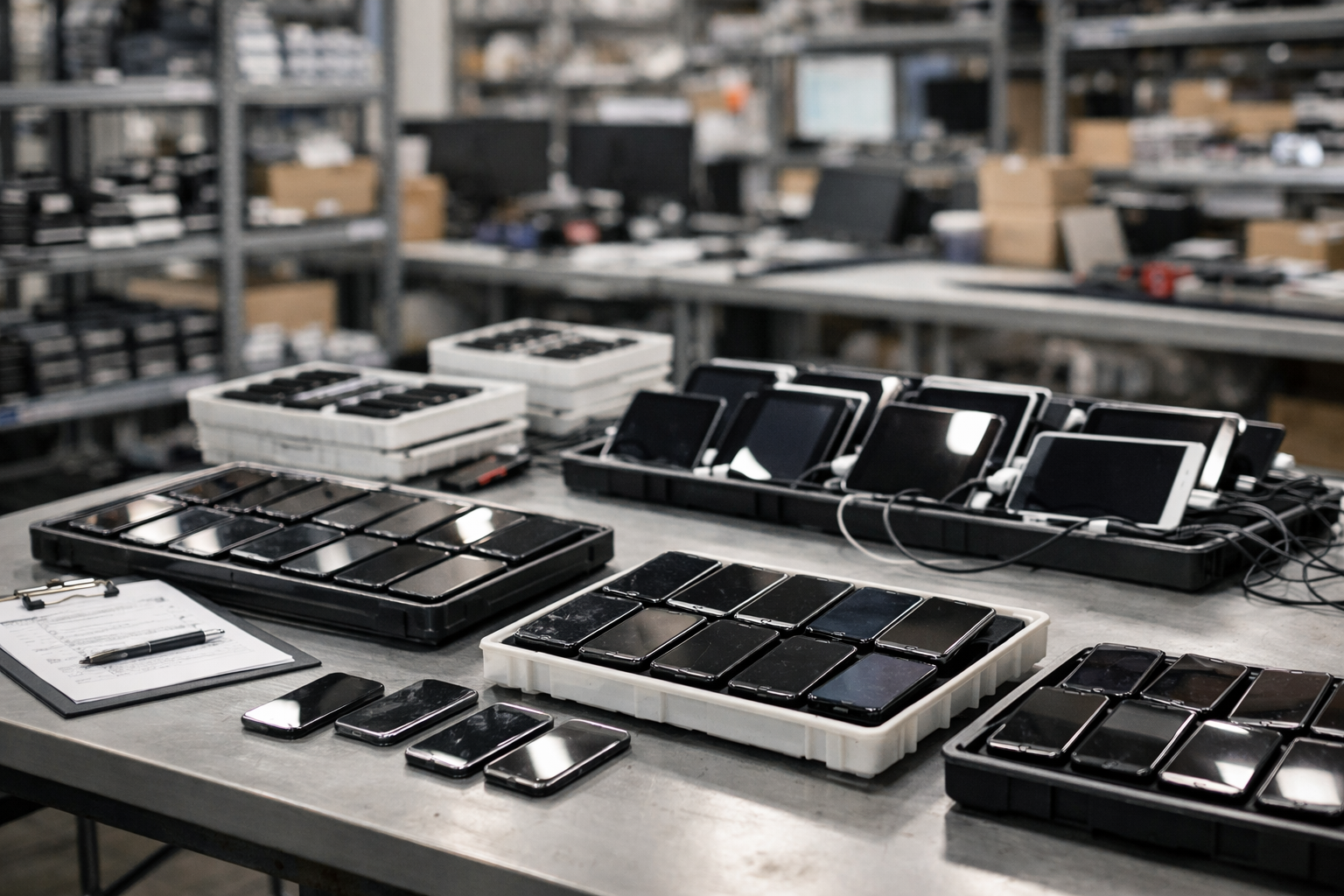
Summer has always been a pivotal moment for education IT, but this summer, the challenge goes beyond refreshing devices. It’s about delivering at scale – under pressure, within fixed timelines, and with lean staff.
Across the U.S., schools enter this summer with larger 1:1 deployments and more mixed device environments than ever, all while leadership expects faster rollouts, teachers demand seamless readiness, and students need devices that work whenever it is needed.
Device strategies are also evolving, with Apple leading the way, focusing on long-term value, lifecycle management, and student outcomes. As adoption increases, so does the scale and complexity of device deployments, placing greater operational demands on IT teams and pushing traditional workflows beyond their limits.
Below, we have summarized the key trends to look out for as we enter this year's busy peak summer deployment season.
“The schools that succeed this summer won’t be the ones working harder – they'll be the ones with workflows designed to scale.” — Matt Cooper
Trend 1: Scale has outgrown traditional workflows
For many schools, device deployment workflows have not evolved at the same pace as device volumes, and IT teams still operate under systems where they:
- Process 1–5 devices at a time
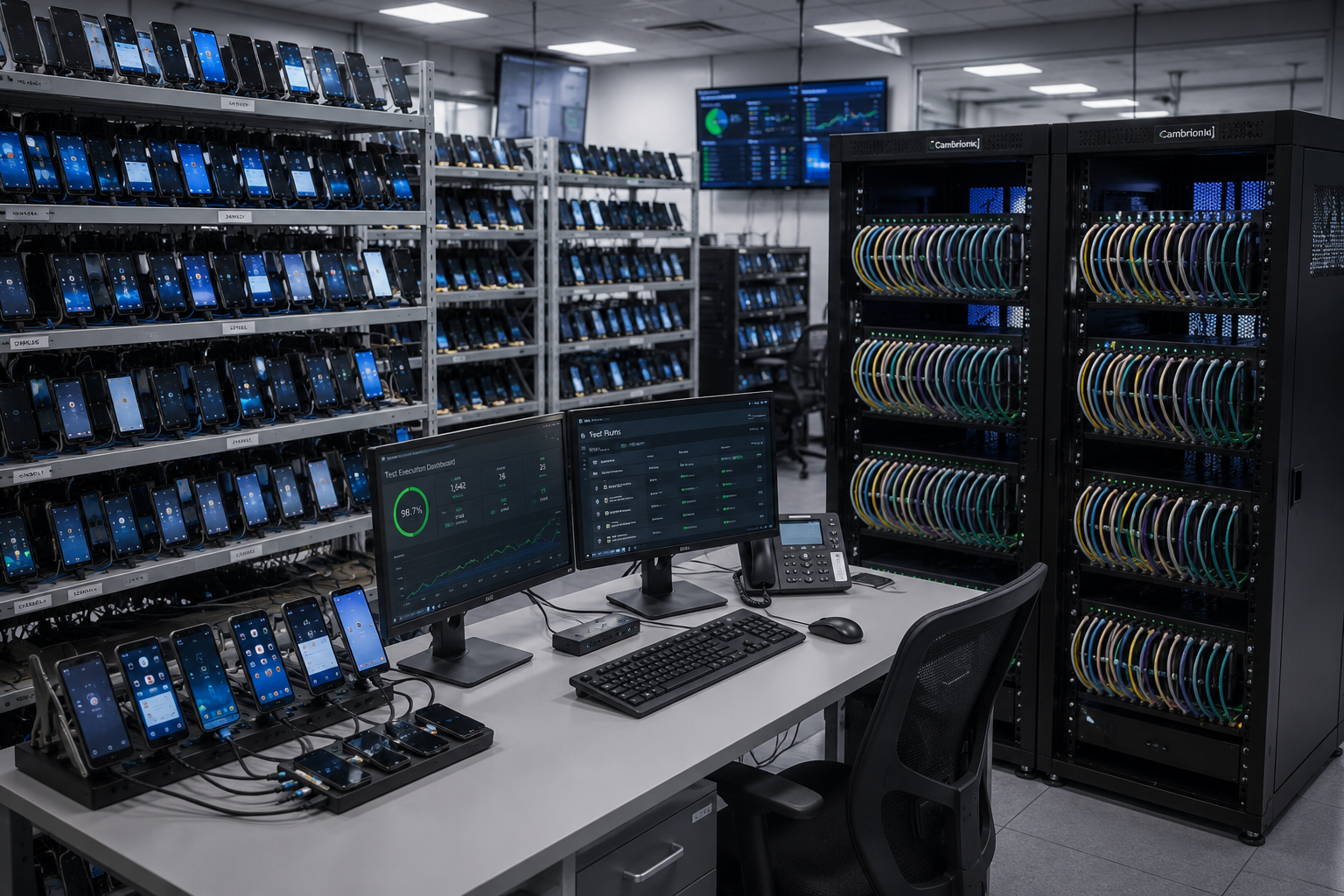
- Rely on outdated carts, docking stations, or low-throughput USB hubs
- Stage and manage devices manually
- Separate charging and restoration across different stations
This may have worked when managing 500 devices, but it does not work with 5,000, 10,000, and more.
At this scale, throughput becomes a strategic capability and the defining factor in whether deployment succeeds or falls behind. The focus shifts from completing tasks to increasing the number of devices processed per hour.
This requires solutions capable of processing multiple devices simultaneously, with reliable connectivity and consistent performance.
Trend 2: Time is the most valuable resource; automation is the enabler
Budgets remain important, but time has become the most constrained and valuable resource for IT teams. Every hour spent provisioning devices manually is time taken away from:
- Supporting teachers
- Improving learning environments
- Addressing more complex technical challenges
During the summer window this pressure intensifies. Delays compound quickly and districts that fall behind early often spend months trying to catch up.
Tools such as Apple School Manager, Apple Configurator, and Shortcuts have significantly improved what is possible from a device management and automation perspective, enabling structured workflows for erasure, restoration, and configuration.
However, many of these workflows still depend on physical interaction with each device or on infrastructure that cannot operate reliably at scale, leading to delays and failures during processing.
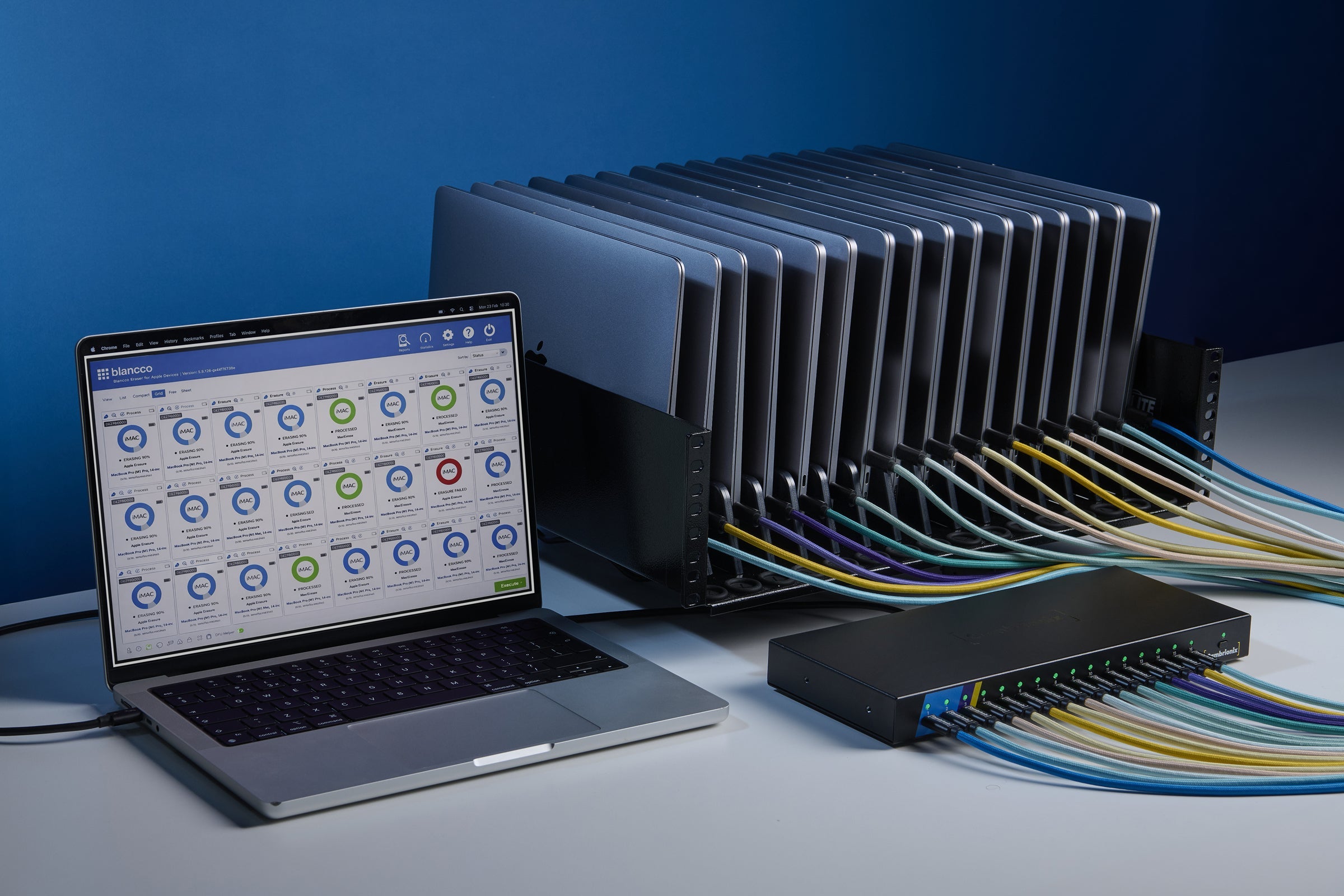
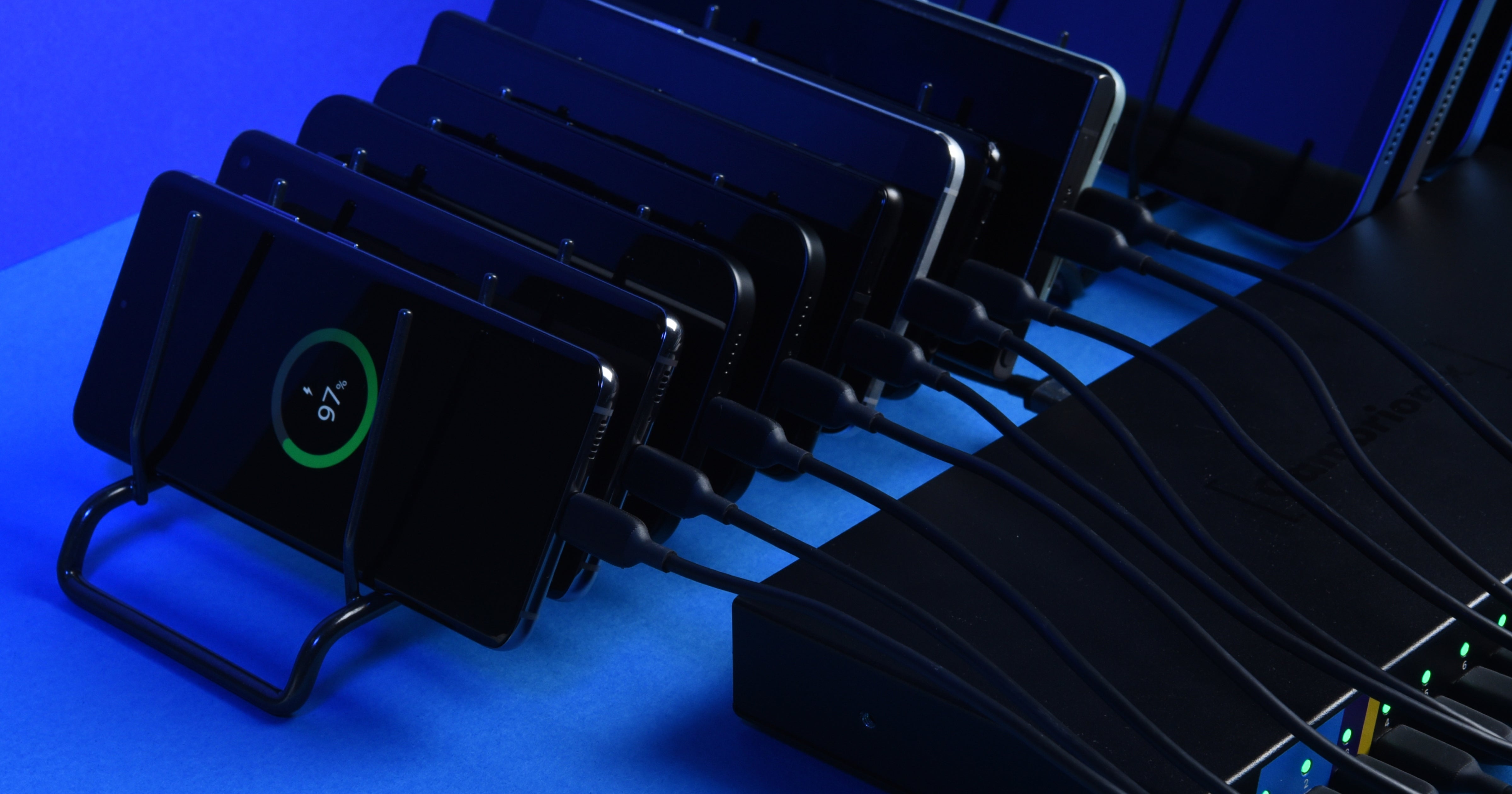
Leading IT teams are extending automation by integrating intelligent multi-device USB solutions into their broader automation strategies. It allows organizing multi-step processes into a single self-operating flow using Apple Configurator and Shortcuts or run simultaneous updates and recovery with multi-device DFU.
To fully benefit from this shift, device provisioning solutions must operate at scale with consistent performance and reliable connectivity, enabling multiple devices to be processed in parallel without interruption.
Trend 3: Operational consistency as a solution to workforce efficiency
As device volumes grow, many schools compensate by increasing manual effort, often relying on temporary staff, student helpers, or extended working hours to keep up with deployment demands.
While this approach can provide short-term relief, it introduces new challenges such as increased training overhead, inconsistent workflows, and a higher likelihood of errors under pressure.
Even when automation tools are in place, inconsistent execution can limit their effectiveness. Differences in how devices are handled, connected, or processed can lead to variability in outcomes, rework, and delays. At scale, maintaining consistency becomes as important as speed.
To address this, IT teams are shifting toward more structured, repeatable workflows that reduce reliance on individual actions and ensure predictable outcomes across large device fleets. This allows teams to maintain control, even under the pressure of large-scale summer deployments.
What this means for IT departments this summer
The technology impact becomes clear when looking at real deployment capacity.
“What we’re seeing across school districts is a clear shift. Deployment is no longer about configuring devices one by one; it’s about how many devices you can process per hour. The teams that understand this are the ones that stay ahead.” — Matt Cooper

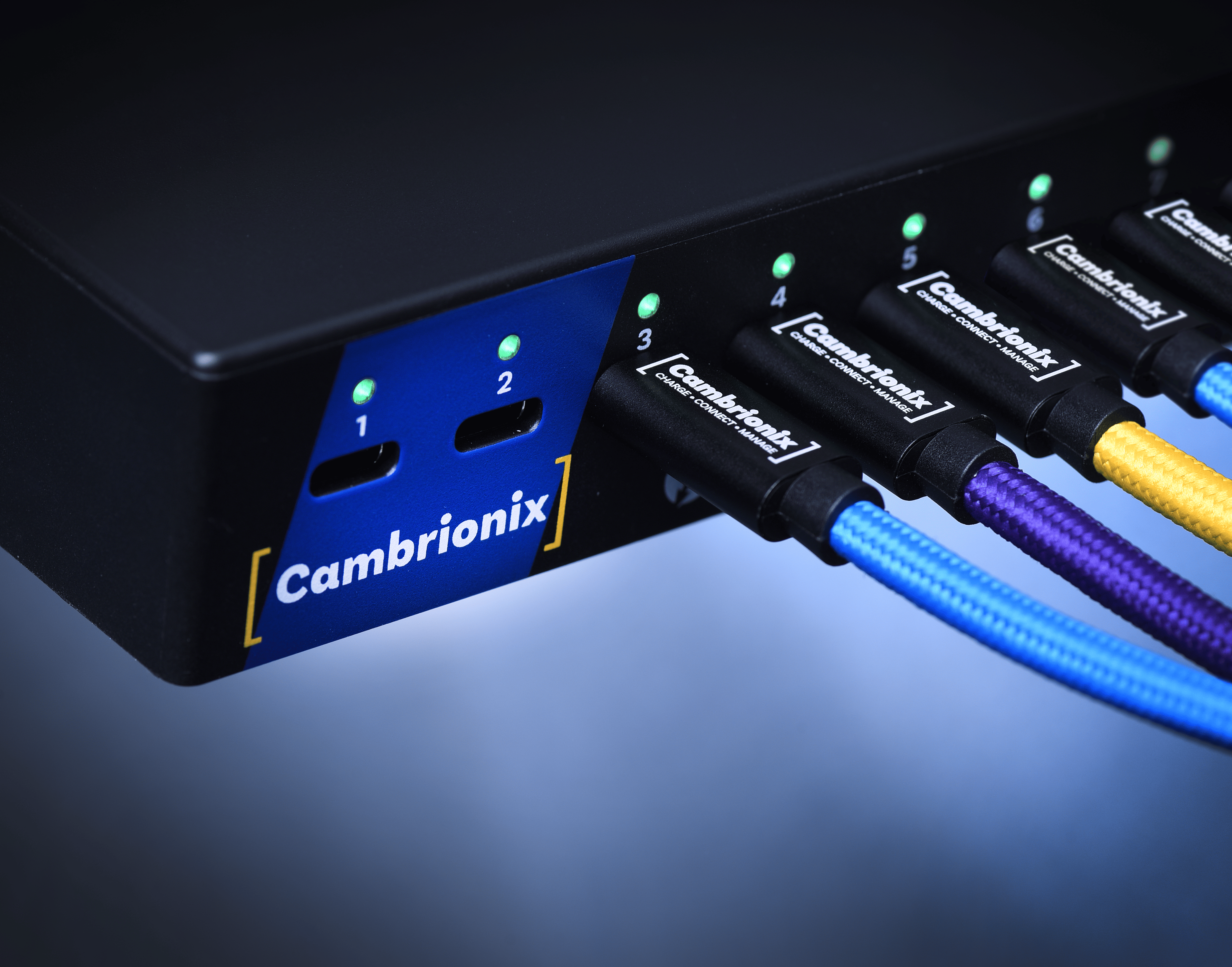
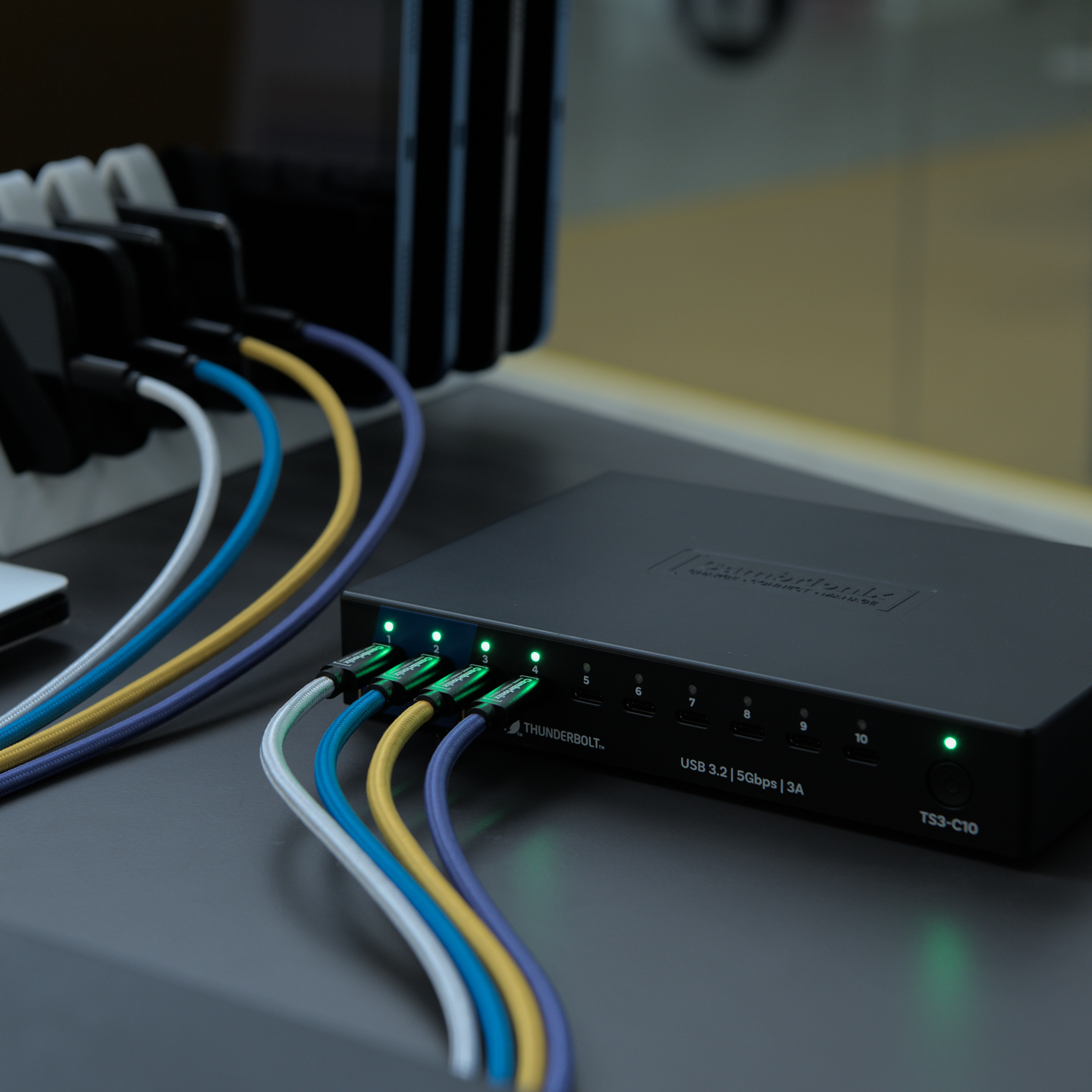
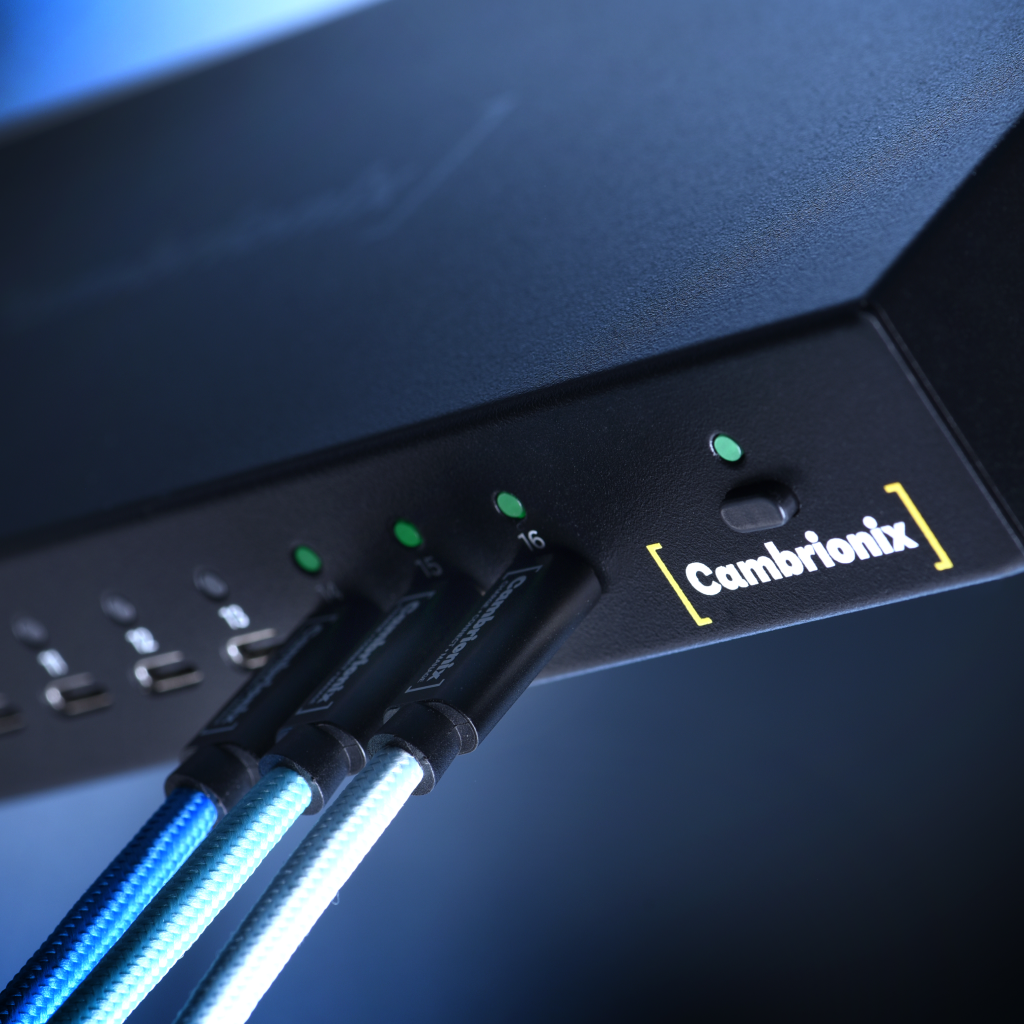
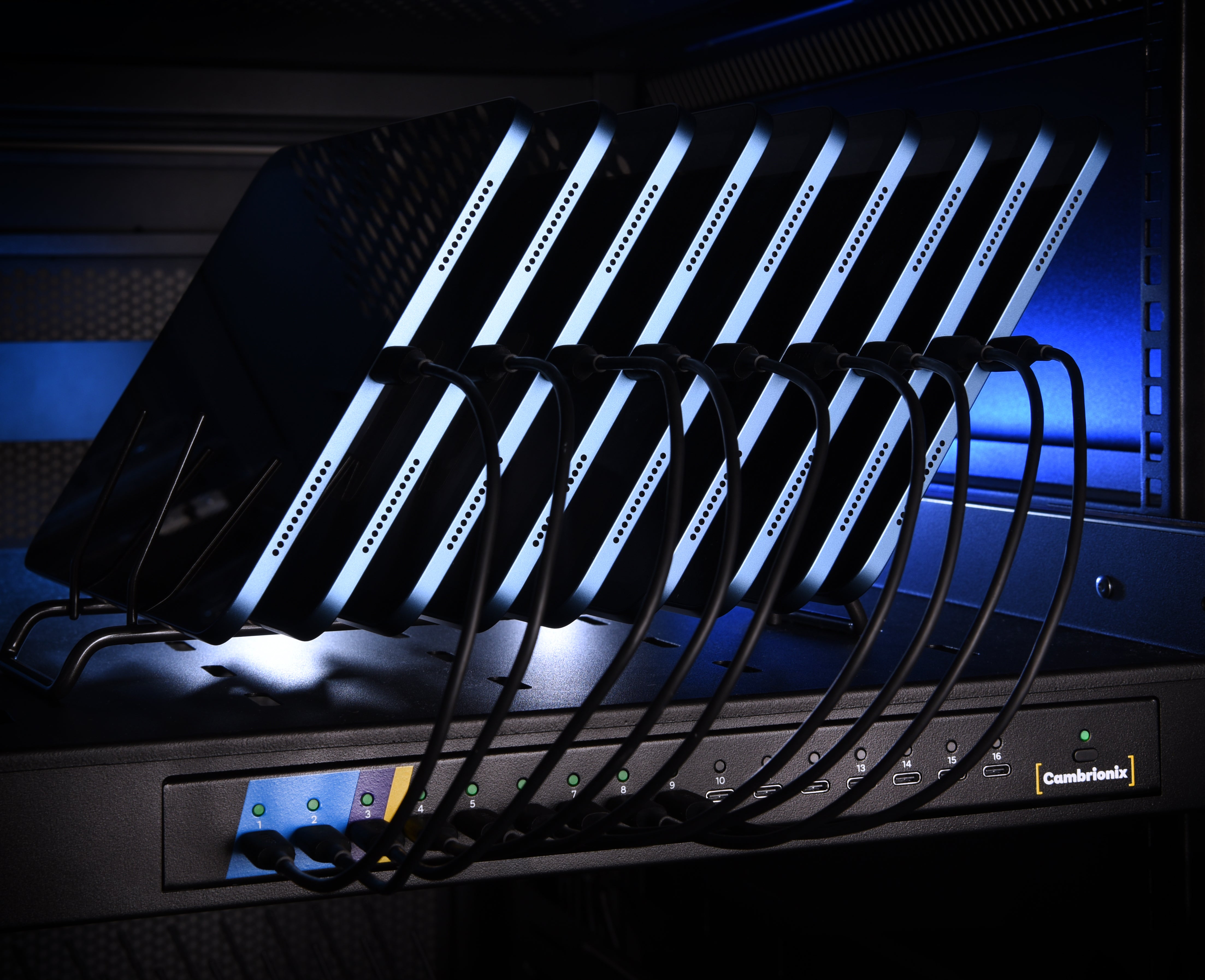
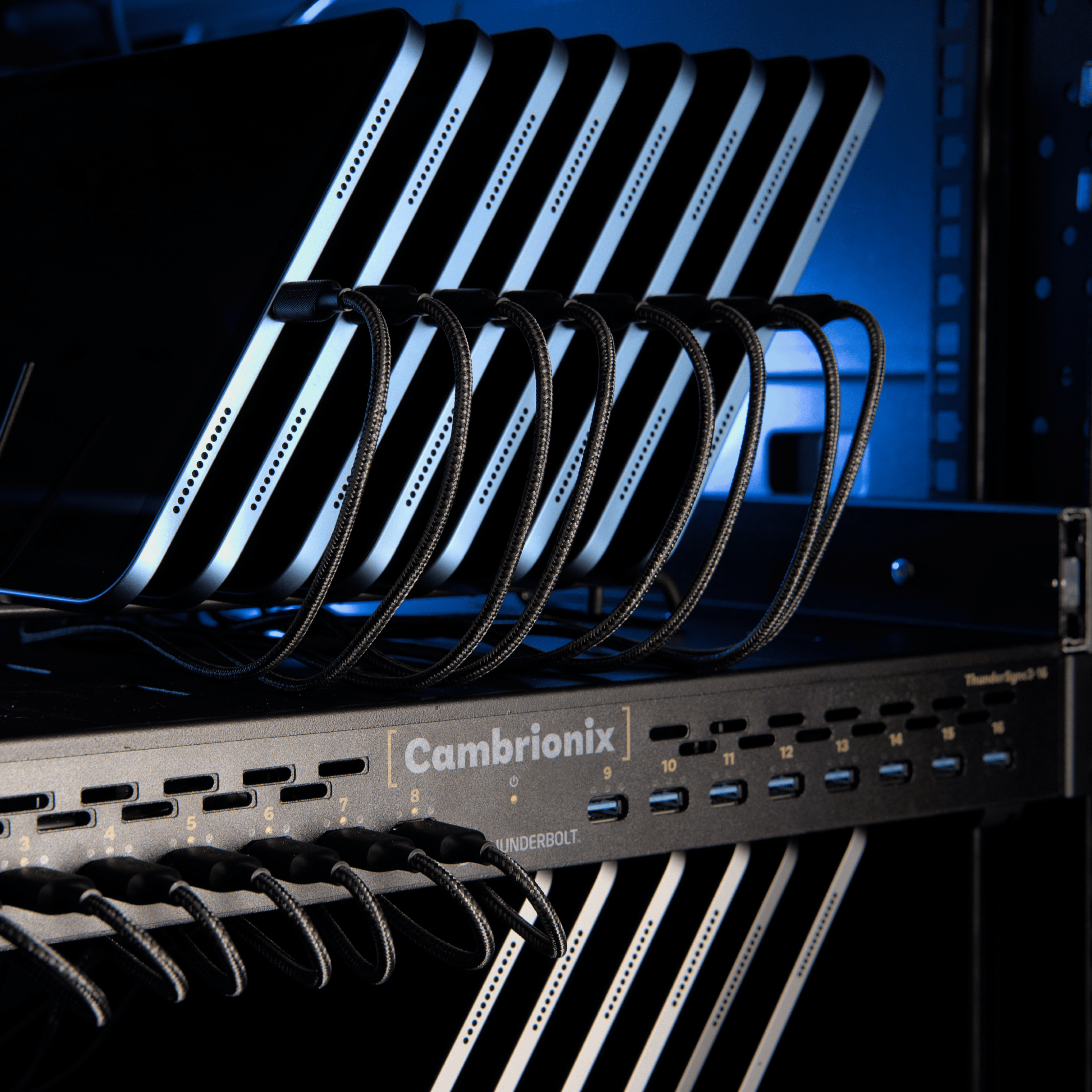
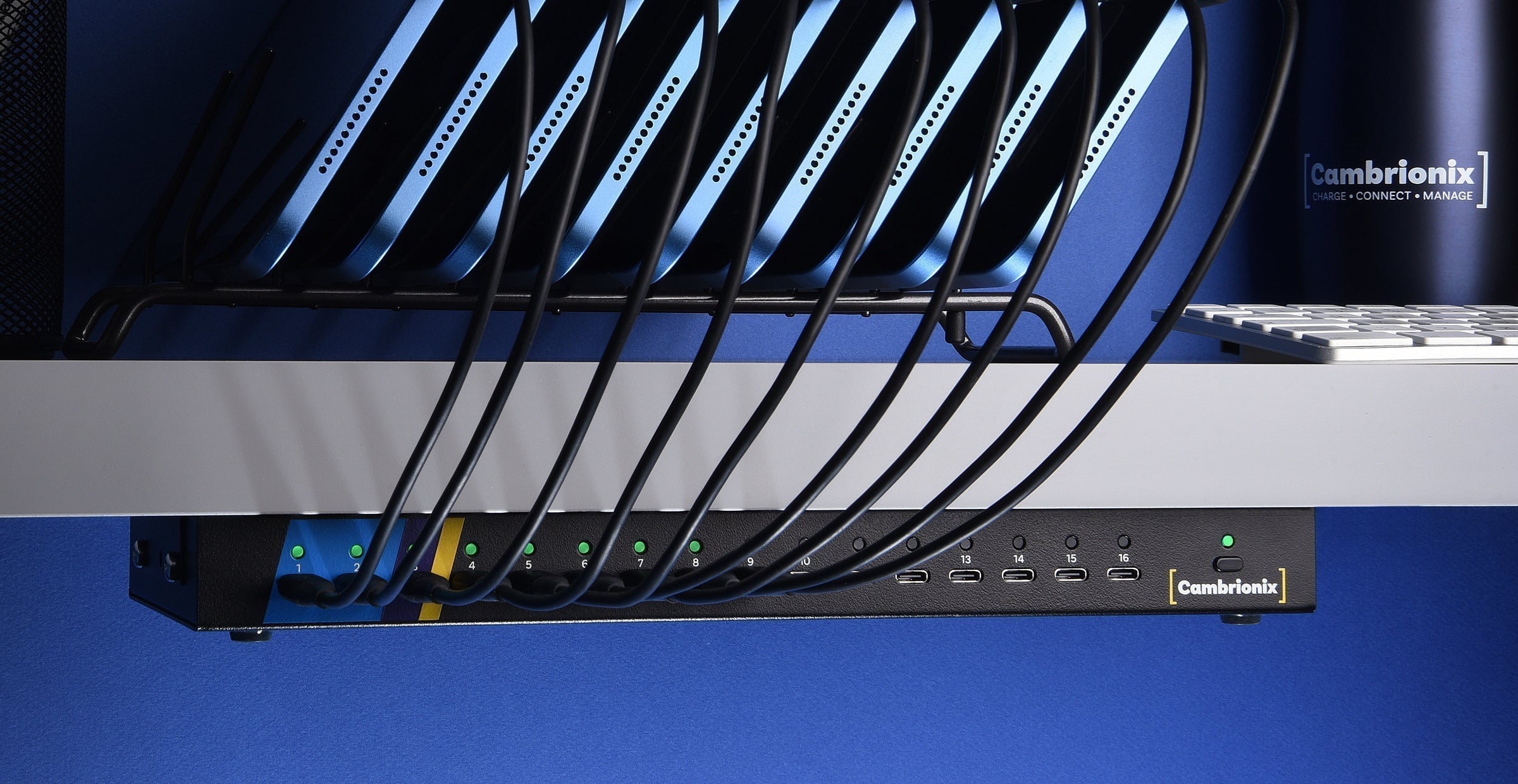
Device provisioning USB solutions designed for high-volume deployments enable districts and schools to prepare up to 16 devices simultaneously from a single workstation in under 13 minutes, completing deployments up to 7x faster with the same headcount.
More importantly, it changes the experience for IT teams. Instead of managing fragmented workflows, teams gain control, reduce manual handling and operational costs, and free up time to focus on higher-value work.
If you are interested in discussing high-volume device deployment strategies or learning how modern provisioning solutions can support your IT team, get in touch at matt.cooper@cambrionix.com.
Cambrionix solutions are also available on the Apple Education Store. Search for “Cambrionix” or contact your Apple Education sales team for a quote.